It's a comforting statistic: "Don't worry, others see you 20% more attractive than you see yourself." Millions of people share this "fact" online. But where does it come from? And does science back it up?
The Verdict: It's a Myth (Mostly)
Source Check
There is no scientific study that cites the specific "20%" number. It appears to be an internet fabrication designed to boost self-esteem. However, the concept behind it is rooted in real psychology.
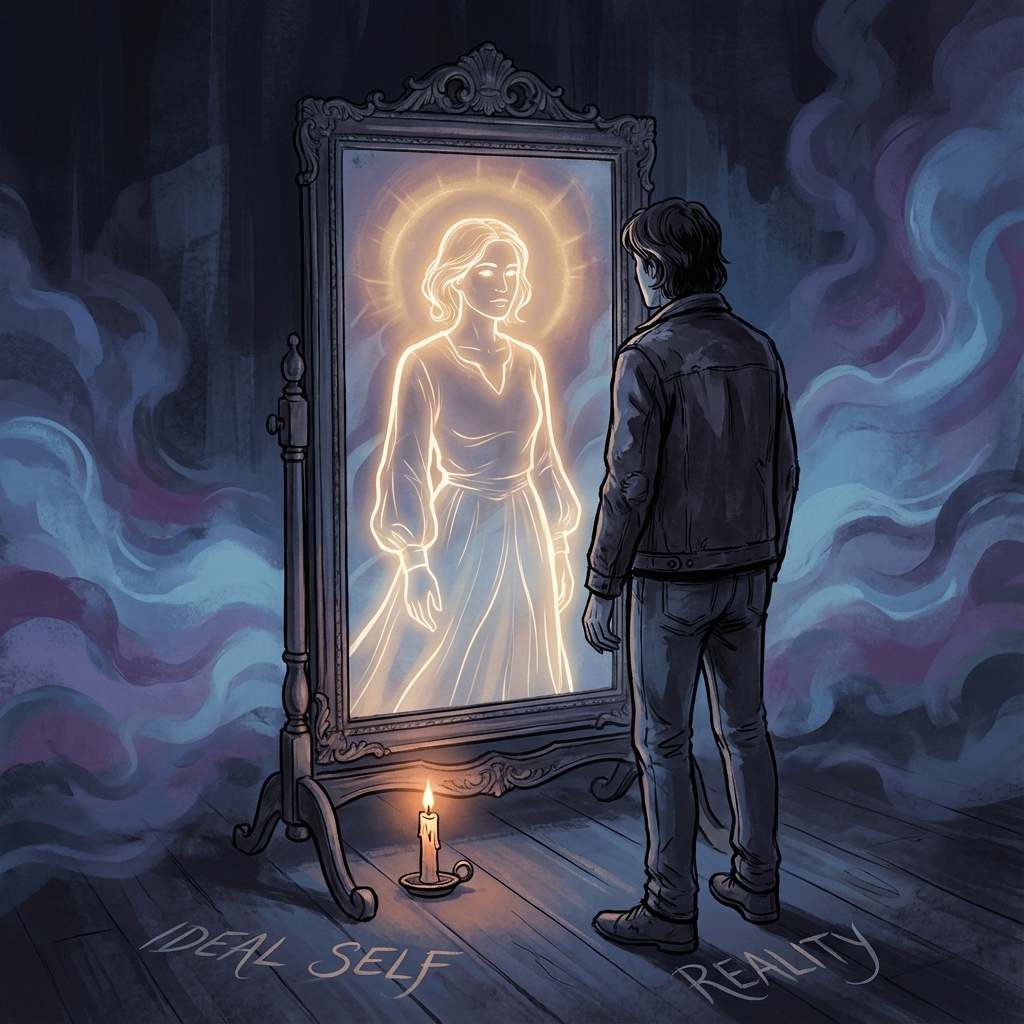
The "Mere Exposure Effect"
In 1968, psychologist Robert Zajonc discovered that people develop a preference for things simply because they are familiar with them.
You see your face in the mirror every day. This "reversed" version of you is the one you know and love. When you see a photo (which is not reversed), you look "wrong" or "weird" to yourself. Others, however, are used to your non-reversed face. so they don't see the "weirdness" you see.
The Dynamic Bonus
Photos are frozen. But in real life, you are moving, smiling, and talking. This dynamic attractiveness is often rated higher than static attractiveness. People fall in love with your energy, not just your geometry.
So, Are You More Attractive?
You are likely more attractive than you think, but not because of a magic percentage. You are your own harshest critic. You zoom in on pores and asymmetries that nobody else notices.
See What They See
Stop guessing. Get an objective, data-driven analysis of your facial aesthetic features.
Get Objective AnalysisConclusion
The "20%" might be fake, but the sentiment is real. You are biased against your own face because you stare at it too much. The world sees the whole package—personality, motion, and life. And that is always more beautiful than a static JPEG.