In the age of digital transformation, the mirror on the wall has been replaced by the camera in your pocket. Artificial Intelligence (AI) is revolutionizing the beauty industry, and perhaps no application is as fascinating as AI Face Shape Detection.
How AI Face Analysis Works
The Technology: Computer Vision
Unlike subjective human observation, AI relies on precise Computer Vision algorithms. When you upload a photo to tools like My Face Shape, the system doesn't just "see" a face; it maps geometry.
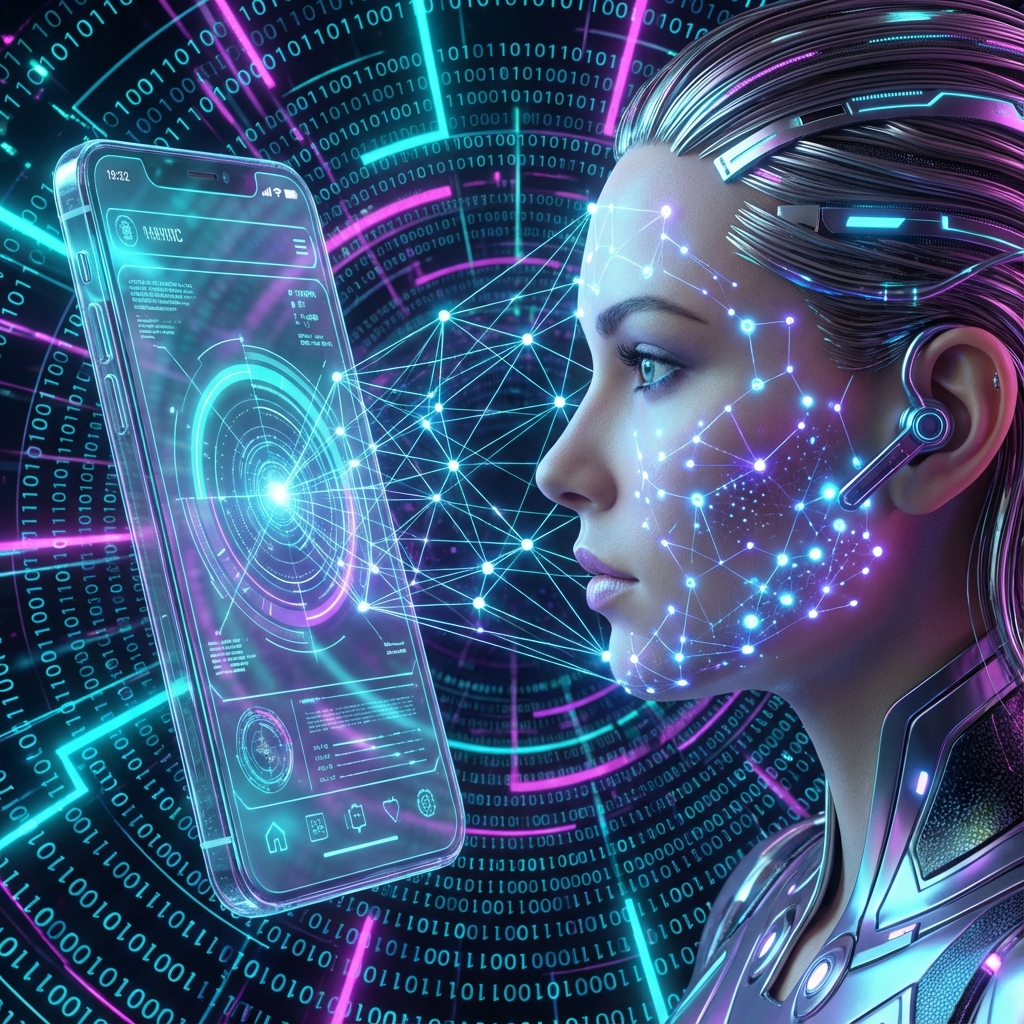
The 68 Facial Landmarks
Most advanced face detection models (like dlib or MediaPipe) track 68 specific biometric landmarks on your face.
- Jawline Points (1-17): Trace the exact curve from ear to ear to detect squareness vs roundness.
- Eyebrow Points (18-27): Measure forehead width relative to the jaw.
- Nose & Mouth Points (28-68): Determine the central symmetry and vertical proportions (Rule of Thirds).
Can AI Be Wrong?
While the math is perfect, the input might not be. AI is only as good as the photo provided. The most common errors come from:
Lens Distortion
Selfies taken too close cause "fisheye" distortion, making the nose look huge and the face look narrower than reality.
Tilt & Rotation
Even a 5-degree tilt can make a long "Oval" face look like a short "Round" face to an algorithm.
Test The Algorithm
Ready to see your biometric data? Our AI analyzes your face in seconds with 99% geometric accuracy.
Start AI AnalysisThe Future of Personalized Beauty
Knowing your face shape isn't just trivia—it's the blueprint for your style. AI is bridging the gap between diagnosis and recommendation, using data to suggest the exact haircut or glasses that mathematically balance your features.